 Owl Buddy Worlds
Free printables
Print at home or in class. Every worksheet has an answer key for the grown-ups.
📝 Worksheets
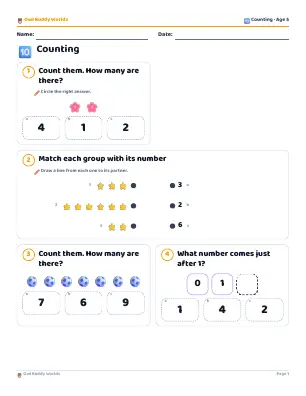 🔟Counting3 pages · PDF⬇️ Download
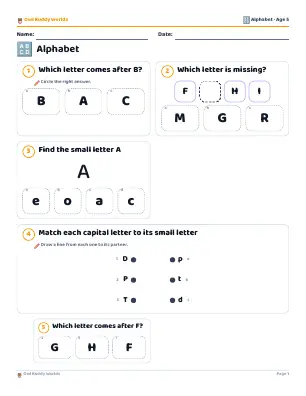 🔠Alphabet3 pages · PDF⬇️ Download
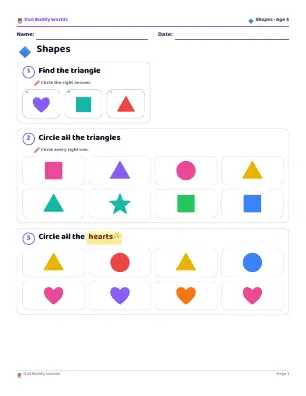 🔷Shapes3 pages · PDF⬇️ Download
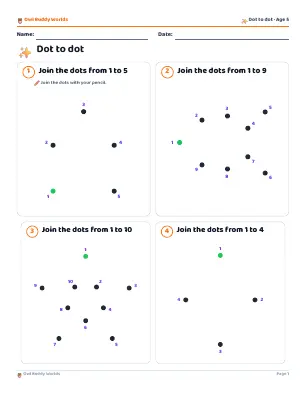 ✨Dot to dot3 pages · PDF⬇️ Download
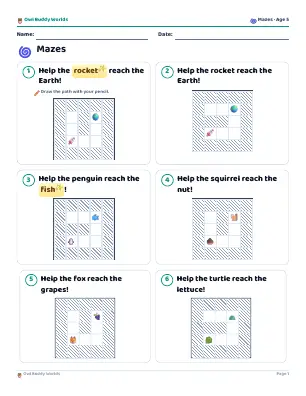 🌀Mazes2 pages · PDF⬇️ Download
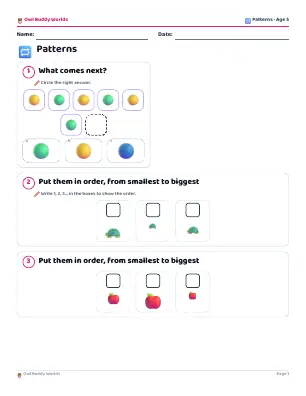 🔁Patterns3 pages · PDF⬇️ Download
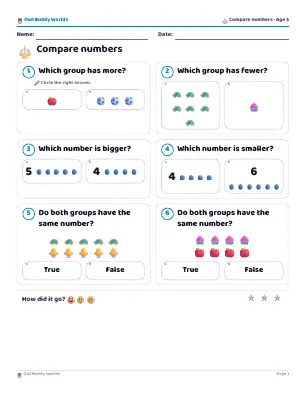 ⚖️Compare numbers2 pages · PDF⬇️ Download
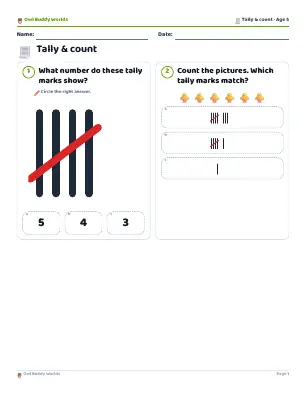 🧾Tally & count3 pages · PDF⬇️ Download
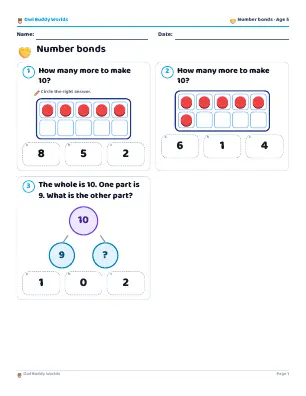 🤝Number bonds3 pages · PDF⬇️ Download
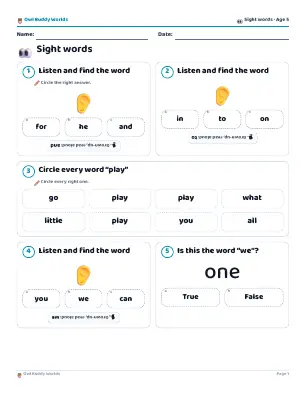 👀Sight words3 pages · PDF⬇️ Download
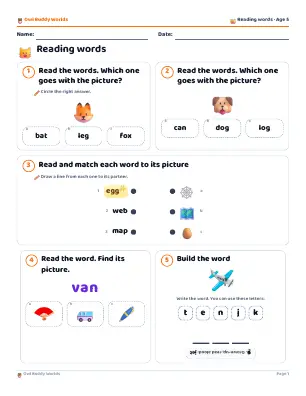 🐱Reading words3 pages · PDF⬇️ Download
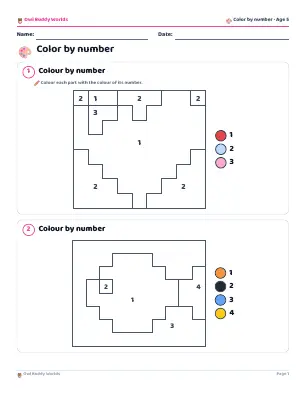 🎨Color by number4 pages · PDF⬇️ Download
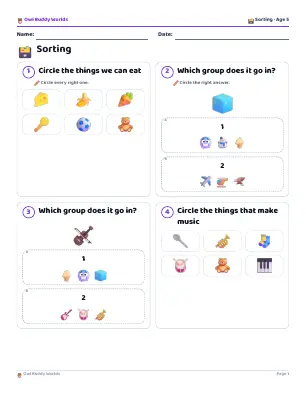 🗃️Sorting3 pages · PDF⬇️ Download
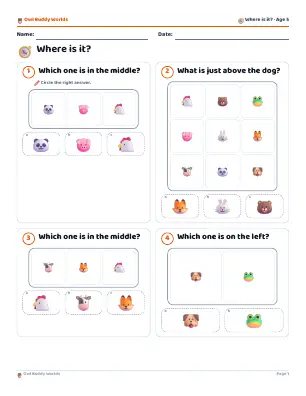 🧭Where is it?3 pages · PDF⬇️ Download
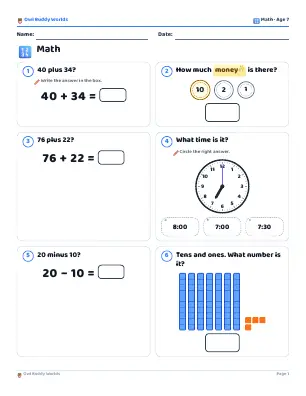 🔢Math3 pages · PDF⬇️ Download
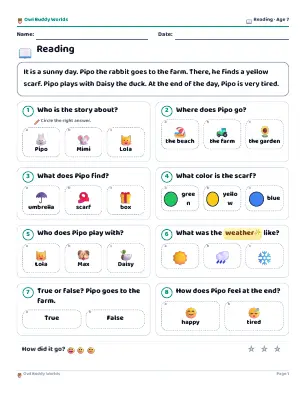 📖Reading2 pages · PDF⬇️ Download
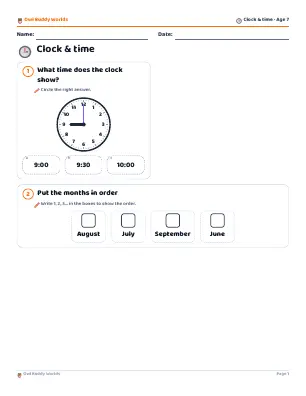 🕒Clock & time4 pages · PDF⬇️ Download
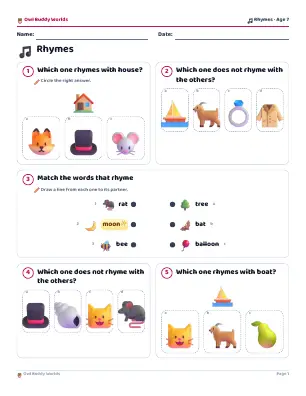 🎵Rhymes3 pages · PDF⬇️ Download
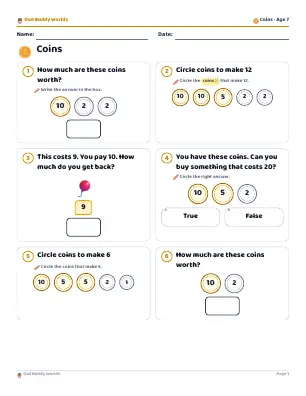 🪙Coins3 pages · PDF⬇️ Download
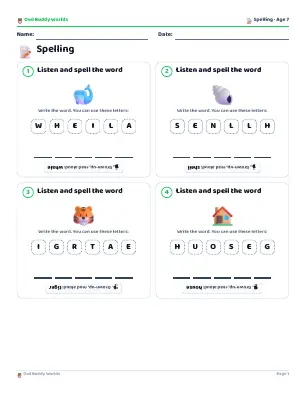 📝Spelling3 pages · PDF⬇️ Download
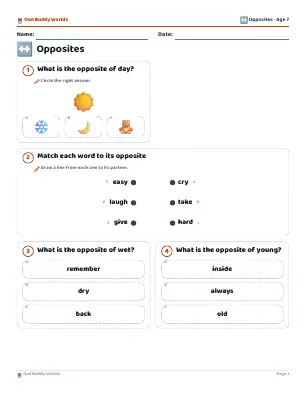 ↔️Opposites3 pages · PDF⬇️ Download
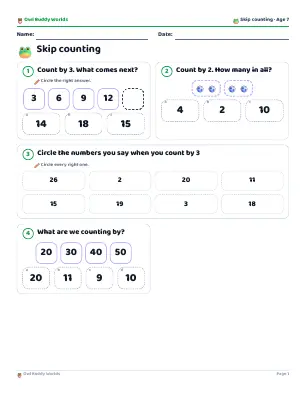 🐸Skip counting3 pages · PDF⬇️ Download
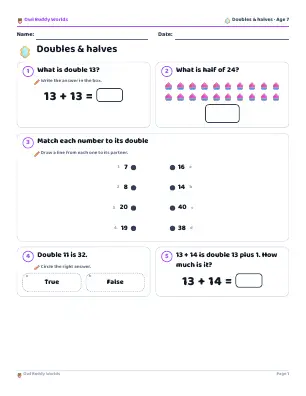 🪞Doubles & halves3 pages · PDF⬇️ Download
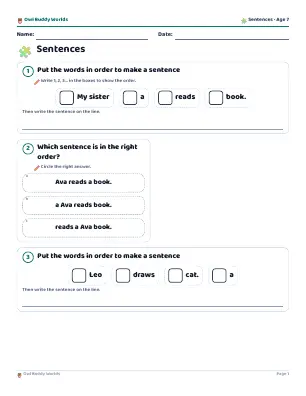 🧩Sentences3 pages · PDF⬇️ Download
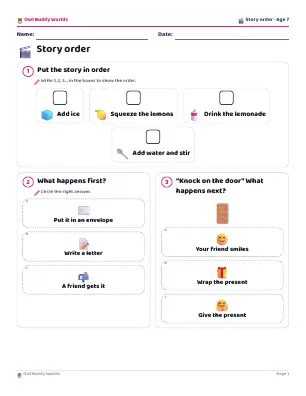 🎬Story order4 pages · PDF⬇️ Download
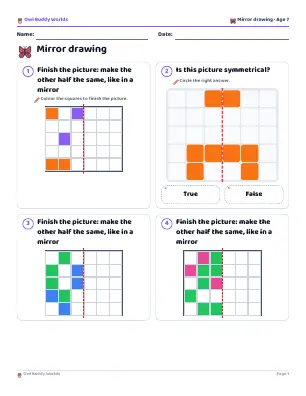 🦋Mirror drawing3 pages · PDF⬇️ Download
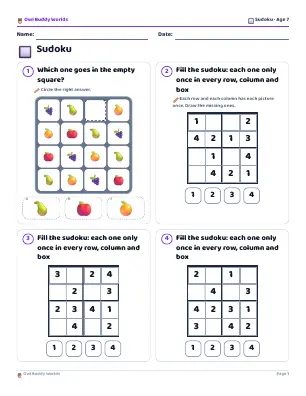 🔲Sudoku3 pages · PDF⬇️ Download
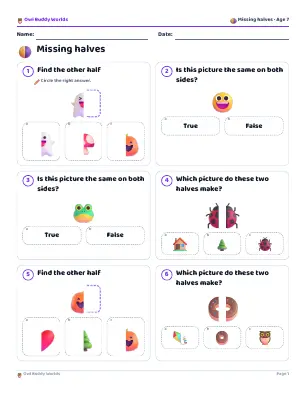 🌗Missing halves3 pages · PDF⬇️ Download
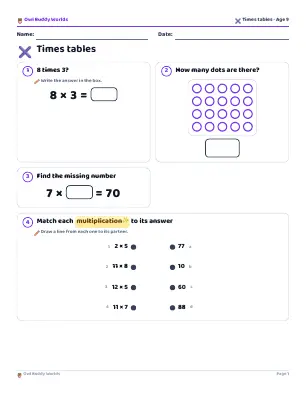 ✖️Times tables3 pages · PDF⬇️ Download
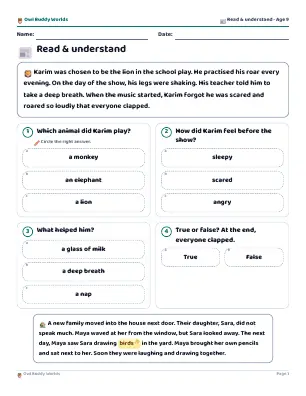 📰Read & understand3 pages · PDF⬇️ Download
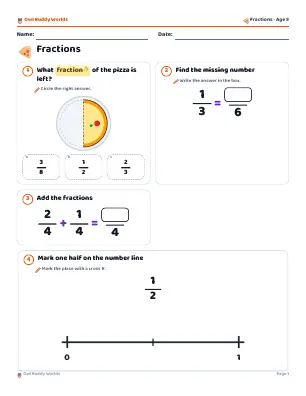 🍕Fractions4 pages · PDF⬇️ Download
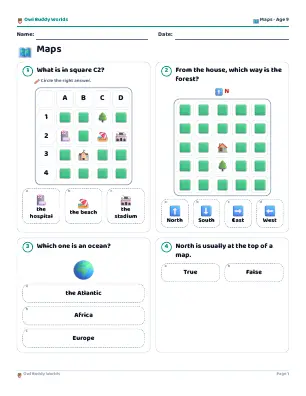 🗺️Maps4 pages · PDF⬇️ Download
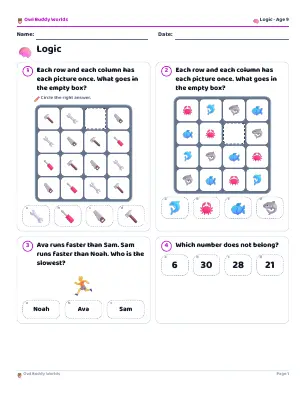 🧠Logic3 pages · PDF⬇️ Download
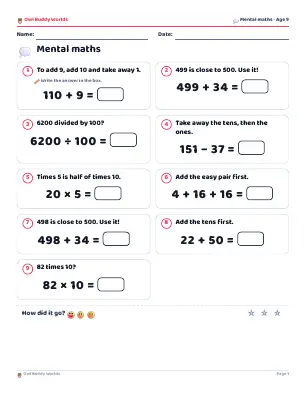 💭Mental maths2 pages · PDF⬇️ Download
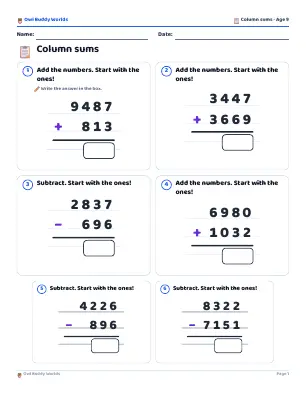 📋Column sums3 pages · PDF⬇️ Download
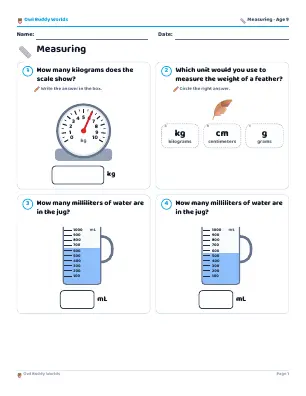 📏Measuring3 pages · PDF⬇️ Download
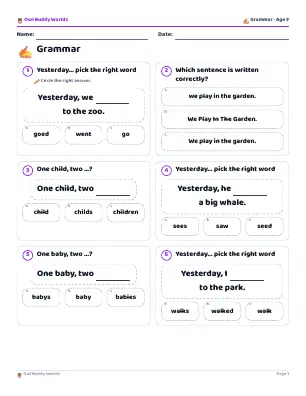 ✍️Grammar3 pages · PDF⬇️ Download
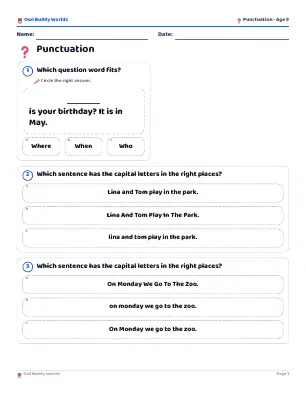 ❓Punctuation4 pages · PDF⬇️ Download
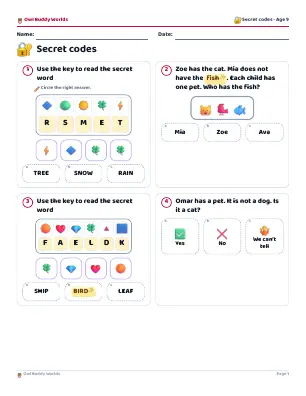 🔐Secret codes3 pages · PDF⬇️ Download
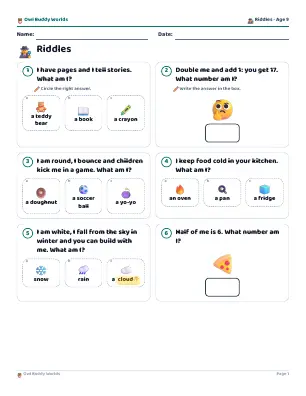 🕵️Riddles3 pages · PDF⬇️ Download
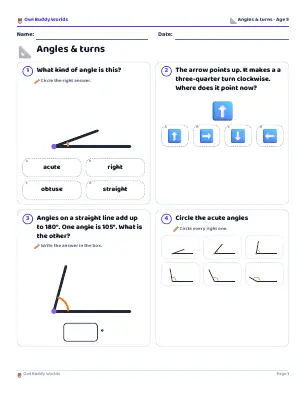 📐Angles & turns4 pages · PDF⬇️ Download
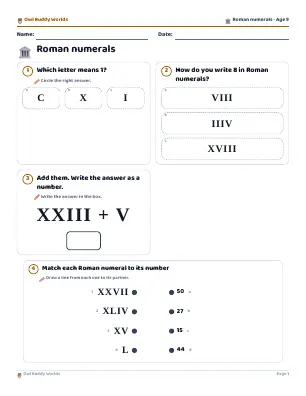 🏛️Roman numerals3 pages · PDF⬇️ Download
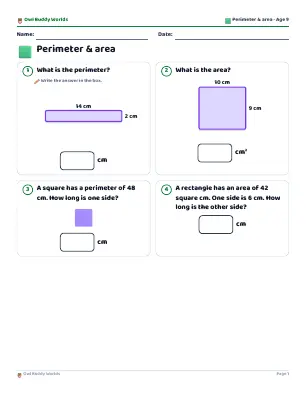 🟩Perimeter & area4 pages · PDF⬇️ Download
🖍️ Coloring pages
Simple pages for little hands and detailed ones for older kids.
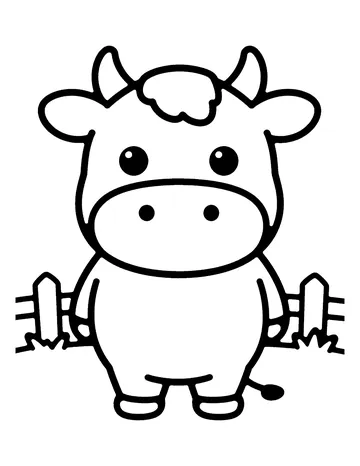 CowSimple
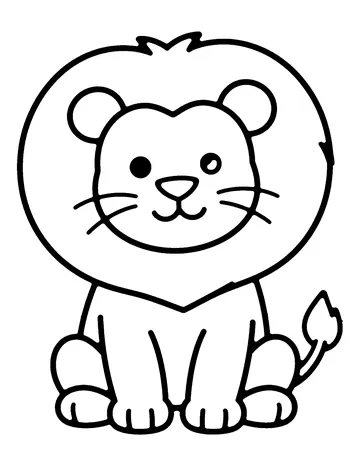 LionSimple
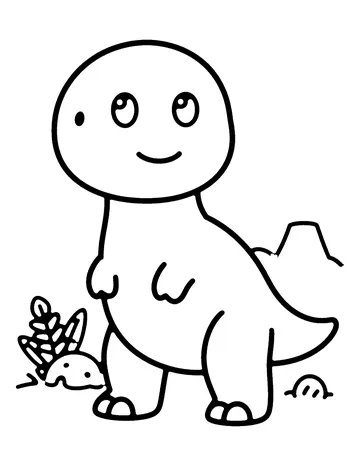 T. rexSimple
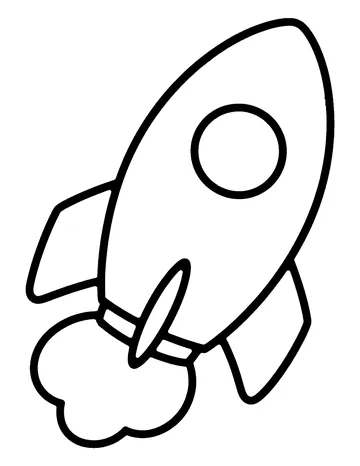 RocketSimple
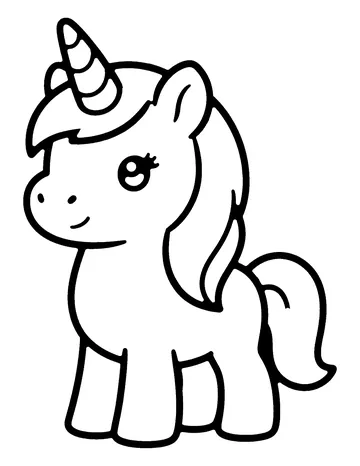 UnicornSimple
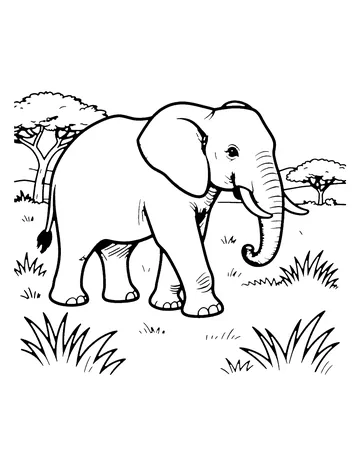 African elephantDetailed
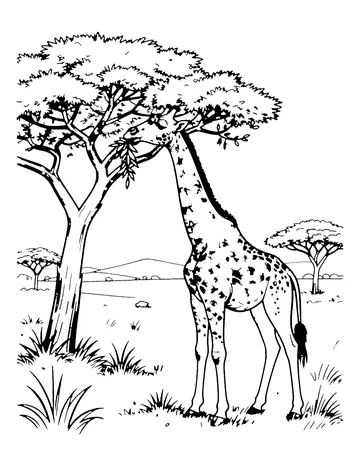 GiraffeDetailed
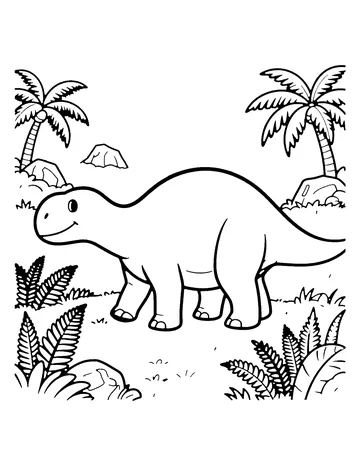 StegosaurusDetailed
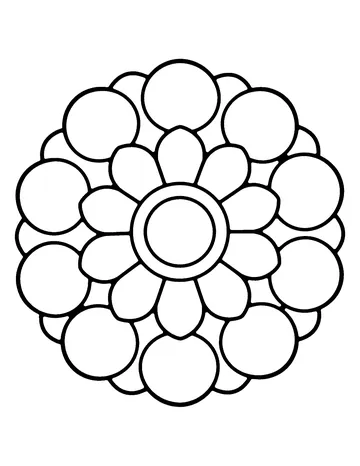 Flower mandalaDetailed
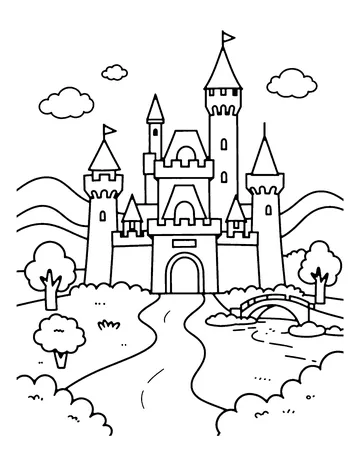 Fairy-tale castleDetailed
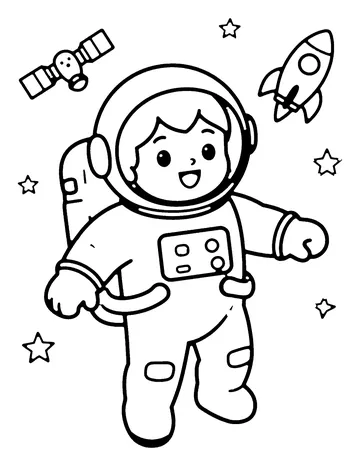 AstronautDetailed
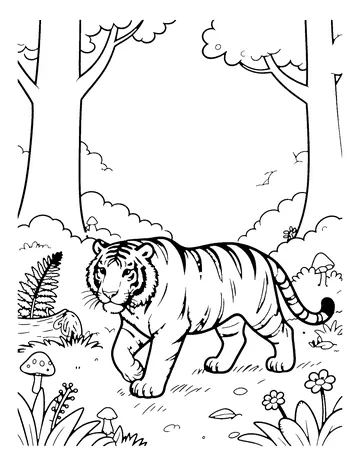 TigerDetailed
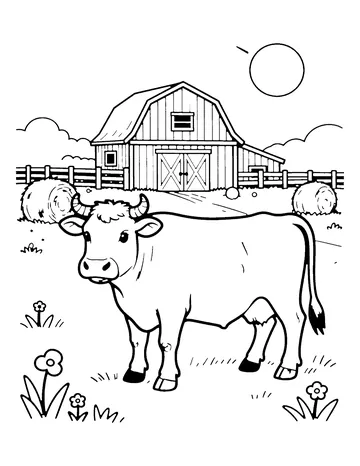 CowDetailed
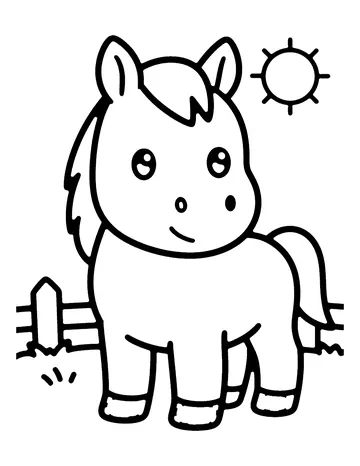 HorseSimple
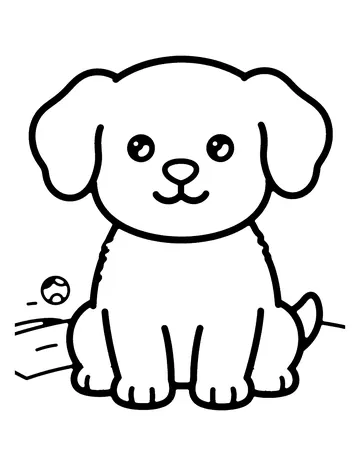 DogSimple
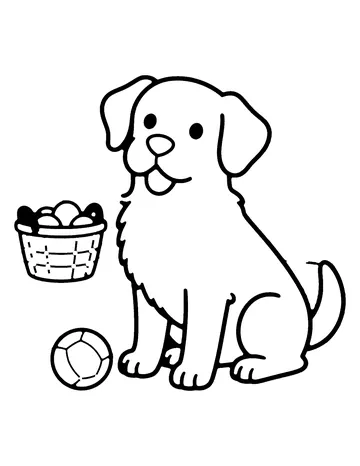 DogDetailed
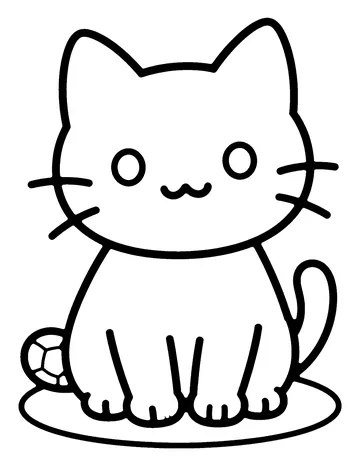 CatSimple
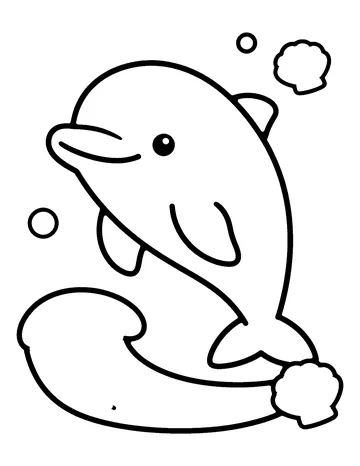 Bottlenose dolphinSimple
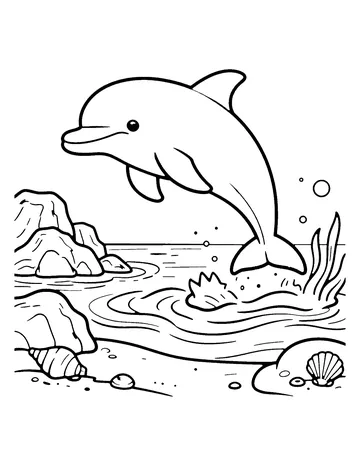 Bottlenose dolphinDetailed
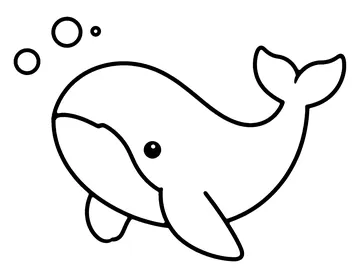 Humpback whaleSimple
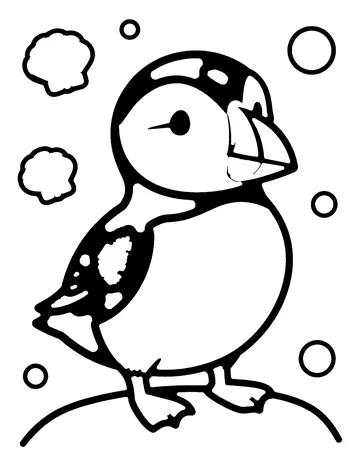 Atlantic puffinSimple
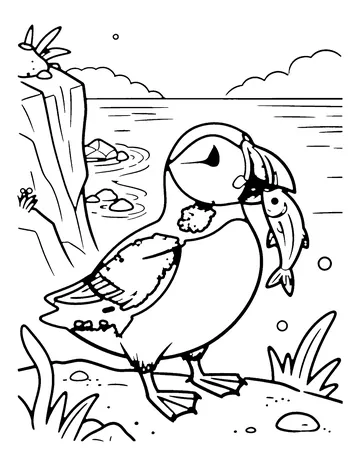 Atlantic puffinDetailed
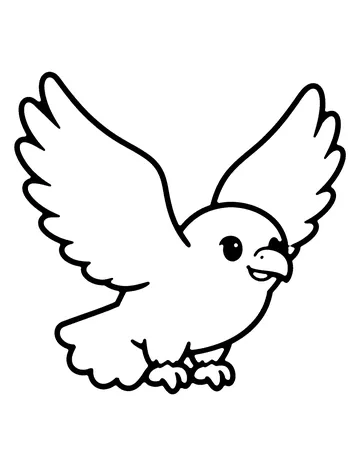 Bald eagleSimple
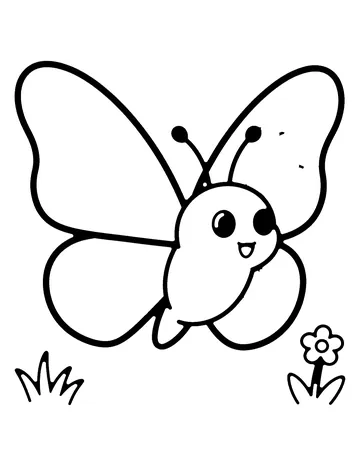 Monarch butterflySimple
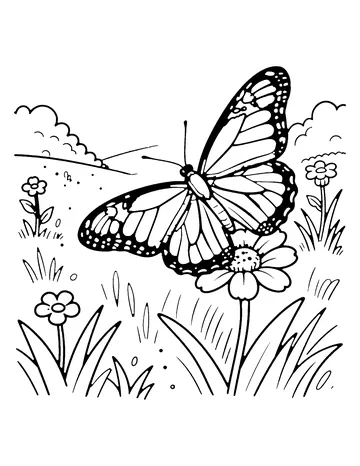 Monarch butterflyDetailed
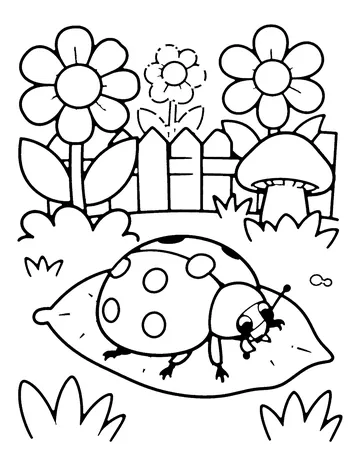 Seven-spot ladybugDetailed
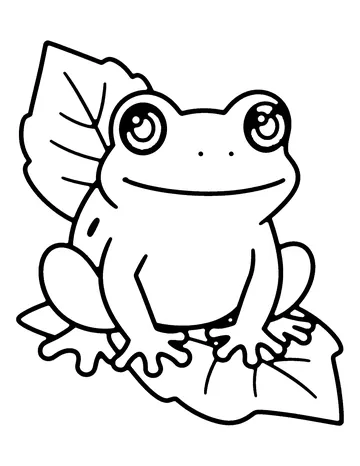 Red-eyed tree frogSimple
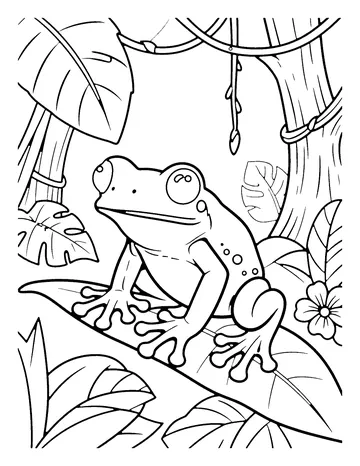 Red-eyed tree frogDetailed
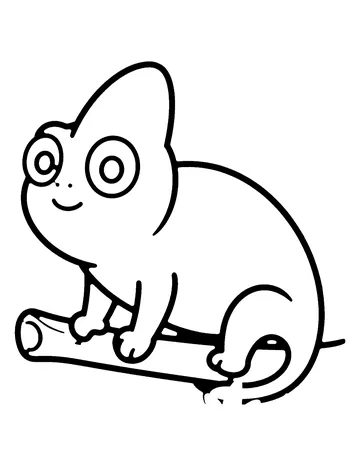 Panther chameleonSimple
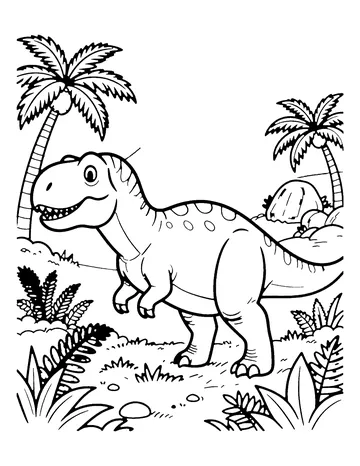 T. rexDetailed
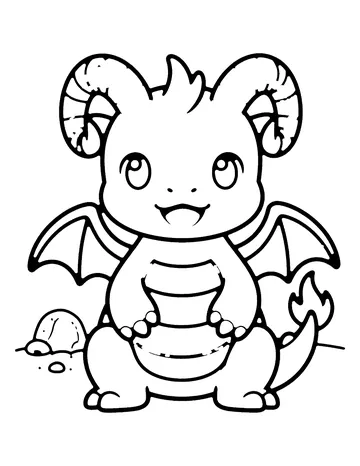 EmberSimple
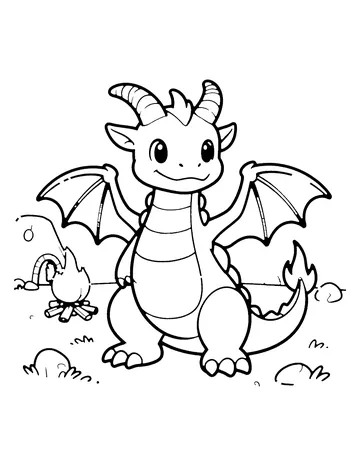 EmberDetailed
 RippleSimple
 Fire truckSimple
 Fire truckDetailed
 Police carSimple
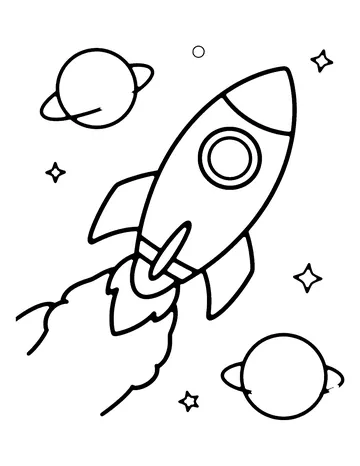 RocketDetailed
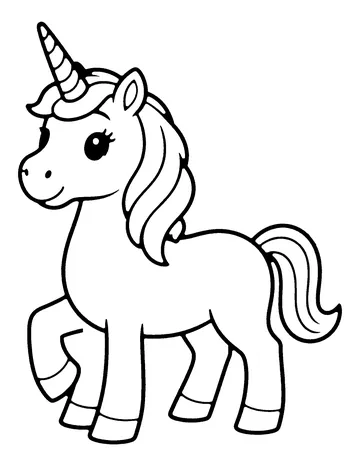 UnicornDetailed
 AppleSimple
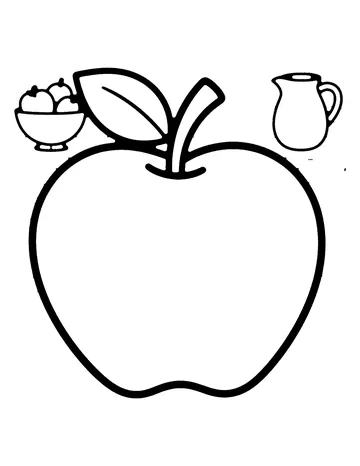 AppleDetailed
 StrawberrySimple
 Happy sunSimple
 Happy sunDetailed
 RainbowSimple
 Birthday cakeSimple
 Birthday cakeDetailed
 Birthday partySimple
 FirefighterSimple
🧪 Family activities
A taste of the 205 activities in the app. Tap one to see what you need and how to do it.
🌋Fizzing volcano20 min · 3–10
Build a little mountain and make it erupt with foamy "lava".
You need
- A small cup or bottle
- Play dough, sand or foil to make the mountain
- 2 spoons of baking soda
- Half a cup of vinegar
- A drop of dish soap
- Red food colouring (optional)
- A tray
Steps
- Put the cup on the tray and build the mountain around it.
- Put the baking soda, the soap and a few drops of colouring in the cup.
- Count down together: 3, 2, 1…
- Your child pours the vinegar in. Eruption!
- Add more vinegar to make it erupt again.
What your child learns
Vinegar (an acid) and baking soda (a base) react and make a gas: carbon dioxide. The soap traps the gas in bubbles, so it foams up.
🌈Magic rainbow milk10 min · 3–10
Colours dance and swirl in a plate of milk with just one drop of soap.
You need
- A plate
- Milk (whole milk works best)
- Food colouring, 3 or 4 colours
- Cotton swabs
- Dish soap
Steps
- Pour milk into the plate to cover the bottom.
- Add drops of each colour near the middle.
- Dip a cotton swab in dish soap.
- Touch the milk in the middle with the swab and hold it still. Watch!
- Try touching other places.
What your child learns
Soap breaks the "skin" on top of the milk and grabs the tiny drops of fat. The milk moves fast and carries the colours with it.
🧊Ice melting race20 min · 3–8
Which ice cube melts first? Salt, sugar, warm water or nothing?
You need
- 4 ice cubes
- 4 small plates
- Salt, sugar, a little warm water
Steps
- Put one ice cube on each plate.
- Add salt on one, sugar on another, warm water on the third, nothing on the last.
- Guess the winner together.
- Check every 5 minutes and point to the fastest.
What your child learns
Salt lowers the temperature at which water freezes, so salty ice melts faster. That is why salt is put on icy roads.
🫧Homemade lava lamp15 min · 4–10
Blobs of colour go up and down in a bottle like a real lava lamp.
You need
- A clear bottle or glass
- Water and cooking oil
- Food colouring
- A fizzy vitamin tablet or a pinch of baking soda and a little vinegar
Steps
- Fill a quarter of the bottle with water and add colouring.
- Fill the rest with oil and wait until it separates.
- Drop in a piece of the fizzy tablet.
- Watch the coloured blobs rise and fall!
What your child learns
Oil is lighter than water and they do not mix. Gas bubbles carry coloured water up; when the bubbles pop, the water sinks again.
🏰Cardboard castle60 min · 3–10
Turn boxes into a castle with towers, a drawbridge and flags.
You need
- Big and small boxes
- Toilet paper and paper towel rolls
- Tape and glue
- Scissors (grown-up)
- Markers or paint
- String, a straw and paper for flags
Steps
- Choose the biggest box: that’s the castle.
- The grown-up cuts a door that opens down: the drawbridge. Tie string to lift it.
- Tape rolls at the corners: the towers.
- Cut little squares along the top edge (battlements).
- Decorate together: stones, windows, a coat of arms.
- Make flags with a straw and paper.
What your child learns
Building teaches planning, shapes and balance, and your child practises cutting, sticking and telling a story with what they made.
Safety
⚠️ The grown-up does the cutting with sharp scissors or a cutter.
✈️Paper plane contest20 min · 5–10
Fold planes together, then see whose flies the furthest.
You need
- Sheets of paper
- Tape measure or footsteps
- Markers to decorate
Steps
- Fold the paper in half the long way, then open it.
- Fold the two top corners to the middle line.
- Fold the new slanted edges to the middle again.
- Fold the plane in half, then fold each wing down.
- Decorate and name your planes.
- Throw from the same line. Measure who flew furthest!
What your child learns
Your child learns to follow steps, fold precisely and test ideas: change one thing and see what happens.
🥤Paper cup tower15 min · 3–10
How tall can you build a tower with paper cups before it falls?
You need
- 20 or more paper or plastic cups
Steps
- Build a tower together, one cup at a time.
- Try different patterns: pyramid, straight up, rings.
- Measure it against your body.
- Count down and knock it over with a soft ball!
What your child learns
A wide, strong base holds the weight of the cups above. Builders use the same idea for real towers.
⛵Sponge sailboats15 min · 3–8
Make little boats from sponges and race them by blowing.
You need
- Kitchen sponges
- Straws or sticks
- Paper for the sails
- Tape
- A tub or tray of water
Steps
- Cut a sponge into a boat shape (grown-up).
- Tape a paper sail to a straw and push it into the sponge.
- Float the boats.
- Blow on the sails to race to the other side!
What your child learns
Wind pushes on the sail and moves the boat. A bigger sail catches more wind.
🗺️Treasure hunt with clues30 min · 4–10
Hide a small treasure and lead your child to it with clues.
You need
- Paper and a pencil
- A small treasure (a sticker, a drawing, a snack)
- Tape
Steps
- Hide the treasure.
- Write 5 clues. Each clue tells where the next one is (for little ones: draw them).
- Examples: "Where we keep cold food" (fridge), "Where you sleep" (bed).
- Hide the clues, give the first one to your child.
- Read and solve together until the treasure!
- Swap: your child hides a treasure for you.
What your child learns
Clues build reading, logic and memory of places. Writing clues for you is great practice too.
🎭Animal charades20 min · 4–10
Act out an animal without words; the others guess.
You need
- Small papers with animal names or drawings
- A bowl or a hat
Steps
- Write or draw 15 animals on papers. Fold them into the bowl.
- One player picks a paper secretly.
- Act it out: moves, walk, faces, no words (sounds allowed for little ones).
- The others guess. The first right answer wins a point.
- Next player! Try harder ones: a jellyfish, a sloth, a kangaroo.
What your child learns
Acting builds body awareness, imagination and vocabulary, and laughing together is the best part.
🙋Simon says10 min · 3–8
Do the action only when you hear “Simon says”!
You need
- Nothing, just players
Steps
- One player is Simon and gives orders: “Simon says touch your nose.”
- Everyone does it.
- If Simon gives an order without “Simon says”, nobody should move!
- Take turns being Simon.
What your child learns
Listening carefully and stopping yourself trains self-control and attention, important skills for school.
🔥Hot and cold10 min · 3–8
Hide a toy; guide the seeker with “warmer” and “colder”.
You need
- A small toy or object
Steps
- One player hides the toy while the other covers their eyes.
- The seeker walks around.
- The hider says “warm”, “hot”, “boiling!” when close, and “cold”, “freezing!” when far.
- Swap roles when it is found.
What your child learns
Children learn to follow clues and to use words for distance and direction.
🍂Nature bingo walk30 min · 3–10
Go for a walk and tick off everything you find.
You need
- A paper with 9 squares: a feather, a red leaf, a round stone, a flower, a bird, an insect, a pine cone, a cloud shape, a stick shaped like a Y
- A pencil
Steps
- Draw the bingo card together before you leave.
- Walk slowly and look everywhere: up, down, under leaves.
- Tick each thing you find (look, don’t pick living plants).
- Three in a row: shout "Bingo!"
- Can you fill the whole card?
What your child learns
Children notice details, learn names of plants and animals and get fresh air and exercise.
🍂Leaf rubbings20 min · 3–9
Collect leaves and make their patterns appear with a crayon.
You need
- Leaves of different shapes
- Thin paper
- Crayons without wrapping
Steps
- Collect leaves on a walk.
- Put a leaf under the paper, bumpy side up.
- Rub the side of a crayon over it.
- Watch the veins appear! Try many colours and shapes.
What your child learns
Veins carry water and food through the leaf, like tiny roads. Comparing shapes is the first step in naming plants.
☁️Cloud shapes15 min · 3–10
Lie on the grass and find animals and faces in the clouds.
You need
- A blanket
- A sky with clouds
Steps
- Lie down side by side and look up.
- Take turns: “I see a dragon!”
- Watch how the shapes change and move.
- Name the cloud types: fluffy, flat, wispy.
What your child learns
Clouds are made of tiny drops of water. Finding shapes trains imagination, and watching them move shows the wind high up.
Safety
⚠️ Never look straight at the Sun.
💧Puddle science20 min · 2–8
Put on boots after the rain: jump, measure and race leaves in puddles.
You need
- Rain boots and a raincoat
- A stick
- Leaves or small sticks for boats
Steps
- Find puddles after rain.
- Guess which is deepest, then measure with a stick.
- Jump in! Which makes the biggest splash?
- Race leaf boats by blowing.
What your child learns
Measuring, comparing and splashing turn a rainy day into science: depth, size and water movement.
🧂Salt dough sculptures45 min · 3–10
Make a dough with flour, salt and water, sculpt, bake and paint.
You need
- 2 cups flour
- 1 cup salt
- ¾ cup water
- Cookie cutters, a straw
- Paint and brushes
- An oven (grown-up)
Steps
- Mix flour and salt in a bowl.
- Add water little by little and knead until smooth.
- Roll it out and cut shapes, or sculpt animals, a hand print, a name.
- Make a hole with a straw if you want to hang it.
- The grown-up bakes at 120 °C (250 °F) for 2–3 hours until hard.
- When cool, paint it!
What your child learns
Kneading and sculpting strengthen little hands for writing; measuring is real-life math.
Safety
⚠️ Very salty: not for eating. The grown-up handles the oven.
🎬Family cinema night30 min · 3–10
Turn the living room into a cinema with tickets, snacks and a short film.
You need
- Paper for tickets
- Cushions and blankets
- A snack
- A short family film or a picture book read aloud
Steps
- Make tickets and a little sign with the film’s name.
- Your child sells tickets and shows people to their seats.
- Dim the lights and enjoy the film or story together.
- Afterwards, give the film stars: 1 to 5!
What your child learns
Pretend roles (ticket seller, usher) build confidence and language. Talking about the story afterwards builds understanding.
🛒Play shop30 min · 3–8
Set up a shop with things from the kitchen and pay with paper money.
You need
- Packets and tins from the cupboard
- Paper for price tags and money
- A bag and a basket
Steps
- Choose a shop: grocery, toy shop, bakery.
- Make price tags: 1, 2, 5…
- Make paper coins and notes.
- Take turns being the shopkeeper and the customer.
What your child learns
Buying and giving change is real maths. Polite shop talk builds social skills and vocabulary.
💃Kitchen dance party15 min · 2–10
Put on your favourite songs and invent a family dance.
You need
- Music
- Space to move
- Scarves or ribbons (optional)
Steps
- Each person picks one song.
- Dance freely, then copy each other’s moves.
- Invent a family move with a funny name.
- End with a slow song to calm down together.
What your child learns
Dancing is joyful exercise and builds rhythm, coordination and connection. Copying moves trains attention.
🍓Funny fruit faces15 min · 3–10
Make faces, animals and monsters on a plate with fruit, then eat them!
You need
- A plate each
- Banana, apple, berries, grapes, orange slices, raisins
- A butter knife (grown-up cuts hard fruit)
Steps
- Wash hands and the fruit together.
- Slice the fruit (your child can cut banana with a butter knife).
- Make a face: orange slice hair, berry eyes, a banana smile.
- Try an animal: a lion, a turtle, an owl!
- Take a photo, then eat your creation.
What your child learns
Playing with healthy food makes children curious to taste new things, and cutting builds hand skills.
Safety
⚠️ Cut grapes and round fruits in quarters for children under 5 (choking risk).
🍢Rainbow fruit skewers15 min · 3–10
Thread colourful fruit on sticks in rainbow order.
You need
- Fruit of many colours: strawberries, orange, pineapple, kiwi, grapes, blueberries
- Short wooden sticks or straws
Steps
- Wash the fruit and cut it into chunks together.
- Sort the pieces by colour.
- Thread them in rainbow order: red, orange, yellow, green, blue, purple.
- Make a pattern and eat your rainbow!
What your child learns
Sorting and making patterns is early maths. Children are more willing to taste fruit they prepared themselves.
Safety
⚠️ Use a child-safe knife or let the grown-up cut. Check for allergies.
🥤Make a smoothie10 min · 3–10
Choose fruit, add milk or yogurt and blend your own smoothie.
You need
- A banana and other fruit (fresh or frozen)
- Milk or yogurt
- A blender (grown-up)
Steps
- Your child chooses 2 or 3 fruits.
- Peel and break the banana, measure the milk with a cup.
- The grown-up blends it all.
- Taste and give it a name!
What your child learns
Choosing, measuring and predicting colours make cooking a science lesson, and children love their own recipes.
Safety
⚠️ The grown-up handles the oven, hob and sharp knives. Check for allergies.
🥪Funny face sandwiches15 min · 3–10
Make sandwiches that look like animals, faces or monsters.
You need
- Bread
- Spreads: cream cheese, butter, hummus
- Toppings: cucumber, tomato, olives, cheese, carrot sticks
Steps
- Spread the bread.
- Use toppings to make eyes, a nose, a mouth and hair.
- Cut shapes with a cookie cutter if you have one.
- Show your creation, then eat it!
What your child learns
Spreading and arranging build fine motor skills and creativity; colourful vegetables become fun to try.
Safety
⚠️ Use a child-safe knife or let the grown-up cut. Check for allergies.
🌹Rose, thorn and bud10 min · 3–10
A bedtime or dinner ritual: share the best, the hard and the hopeful part of your day.
You need
- Just each other
Steps
- Rose: the best moment of my day was…
- Thorn: something hard or sad today was…
- Bud: something I’m looking forward to is…
- The grown-up goes first to show it’s okay to share hard things.
- Listen without fixing; just say "thank you for telling me".
What your child learns
Naming feelings helps children understand and manage them, and a daily ritual builds trust and closeness.
🌟Best part of my day5 min · 3–10
At dinner or bedtime, everyone shares the best part of their day.
You need
- Nothing, just time together
Steps
- Each person says the best moment of their day.
- Then one thing that was hard.
- Then one thing they are looking forward to.
- Listen without fixing, just “thank you for telling me”.
What your child learns
A daily sharing habit helps children notice good moments and feel safe talking about hard ones.
🤔What if…?10 min · 4–10
Ask silly and wonderful “what if” questions and imagine the answers together.
You need
- Nothing
Steps
- Take turns asking “What if…?”: What if animals could talk? What if it rained sweets?
- Everyone imagines an answer.
- Build on each other’s ideas.
- Pick a favourite and draw it.
What your child learns
Imagining possibilities stretches creativity, language and flexible thinking.
🥰Compliment circle5 min · 3–10
Sit in a circle and say one kind thing about each person.
You need
- Nothing
Steps
- Sit in a circle.
- Each person says something they like about the person on their left.
- Go round again with something they did well today.
- Notice how it feels to give and receive kind words.
What your child learns
Giving and receiving compliments builds self-esteem and teaches children to notice the good in others.
Free for personal and classroom use. Please don’t sell or re-host the files; link to this page instead.